A Field Note From an Old Village Routine
Inside the Slow-Village Habit Built Around Baking Soda and Honey Gelatin
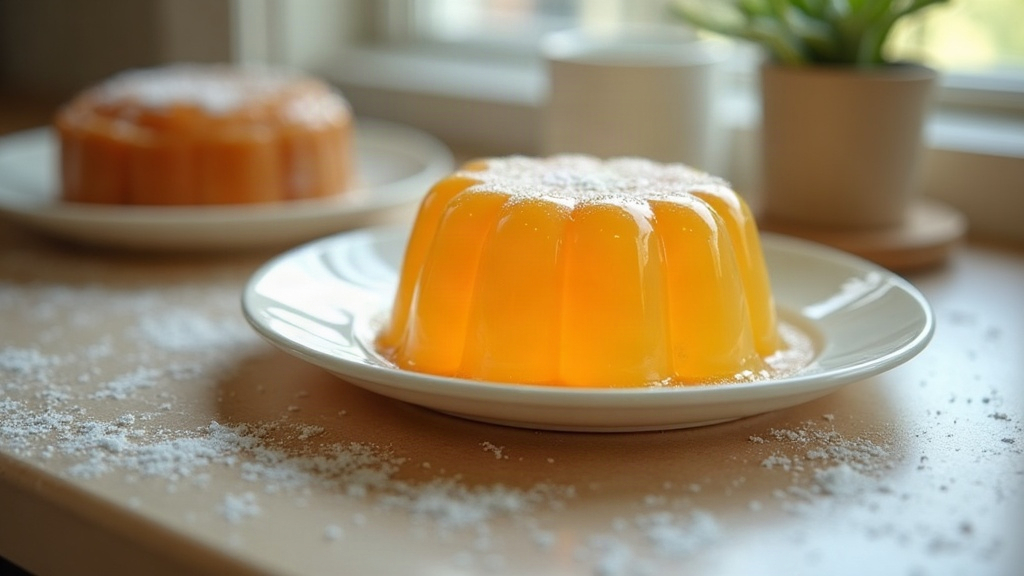
Long before wellness trends had names, some small communities passed down a simple evening ritual involving baking soda and honey gelatin. This page looks at that story — not as a cure, but as a piece of everyday history worth understanding.
Why So Many Men Over 50 Feel Stuck in the Same Cycle
A quiet pattern shows up in kitchen conversations across small towns everywhere: men past fifty describe their evenings as heavier than their mornings. Here’s what tends to repeat.
Evenings That Never Quite Wind Down
The day ends, but the body doesn't seem to get the memo. Restlessness after dinner is a common complaint among men in this age group.
Restless Nights, Foggy Mornings
Sleep that feels shallow instead of restorative shows up again and again in informal surveys of older men's routines.
A Body That Feels Unfamiliar
Many describe a slow shift they can't quite pin down — not dramatic, just different from how things used to feel.
Energy That Disappears by Afternoon
A dip in the middle of the day that wasn't there a decade ago is one of the most frequently mentioned observations.
Notes From Men Who Tried the Routine

Illustrative composite examples. Individual results vary. Not a guarantee.
Myths About This Habit, Sorted From Fact
Old routines tend to pick up new stories along the way. A few of the most common claims deserve a closer look.
This ritual works overnight for everyone.
Traditions like this were practiced consistently over long periods, not as a one-time fix.
Baking soda and honey gelatin is a modern wellness invention.
References to similar pantry-based evening habits appear in older village record-keeping and oral history.
You need rare or expensive ingredients to follow it.
Part of why the habit spread was its reliance on common kitchen staples, not specialty items.
The Three-Part Evening Habit
The routine, as it’s been described across generations, breaks down into three simple parts.
Step One: An Unhurried Pause
Before anything else, the evening slows down — a few quiet minutes set aside, away from screens and noise.
Step Two: The Small Mixture
A modest combination, prepared the same simple way night after night, using baking soda and honey gelatin as its base.
Step Three: A Consistent Close to the Day
The habit ends the same way each night, turning an ordinary moment into a small, repeatable ritual.
Where This Village Habit Comes From
In several older farming communities, evenings followed a familiar rhythm: a warm kitchen, a small jar, and a routine passed from one generation to the next without much explanation beyond ‘this is just what we do.’ Baking soda and honey gelatin sat at the center of that ritual — pantry staples, combined simply, used consistently. There was no formal name for it, no packaging, just a shared habit that outlived the reasons anyone remembered starting it.
What’s notable isn’t the ingredients themselves, but the consistency — the same small act, repeated at the same time, night after night, for years.
Six Signs Worth Paying Attention To
Persistent Sleep Disruption
Trouble falling or staying asleep on most nights is worth discussing with a healthcare provider.
Unexplained Fatigue
Tiredness that doesn't improve with rest deserves a closer look from a professional.
Noticeable Mood Shifts
Changes in mood or motivation that last for weeks are signs worth mentioning to a doctor.
Digestive Changes
New or ongoing digestive discomfort should be evaluated rather than self-managed.
Reduced Physical Stamina
A steady decline in everyday stamina is a signal to check in with a medical professional.
Difficulty Concentrating
Trouble focusing that becomes routine, rather than occasional, is worth raising with a doctor.
Questions Readers Ask Most
No. This page discusses a historical village habit for educational purposes only. It is not presented as a treatment, diagnosis, or cure for any condition.
Descriptions of similar evening routines appear in oral histories from small farming communities, passed down informally across generations.
No. The routine as historically described relied on ordinary household items, nothing specialized.
This content is educational and historical in nature. It is not a substitute for medical advice, diagnosis, or treatment.
It’s written primarily with men over fifty in mind, as this age group is often the focus of these traditional evening routines.
No. Any changes to medication or health routines should only be made after speaking with a licensed healthcare professional.
Historically, the two were simply common pantry items available in most village households, which likely explains their pairing in this routine.
Curious About the Full Story?
This page only scratches the surface of a routine passed down through generations. Continue reading to see the complete picture.
Advertising Disclosure: This is sponsored content and may contain affiliate links. We may receive compensation if you make a purchase through links on this page. This helps support the operation of this website at no additional cost to you.
Content Disclaimer: This content is for educational and informational purposes only. It has not been evaluated by the FDA. It is not intended to diagnose, treat, cure, or prevent any disease. Always consult a qualified healthcare professional before making changes to your health routine.
Results Disclaimer: Individual results vary. Testimonials and examples on this page are illustrative and are not a guarantee of any outcome.
© 2026 · All Rights Reserved · /contact/